Decolonising Development
Challenging the structural power imbalances embedded in international development systems, and supporting organisations to shift toward equitable, locally-led practice.
Redefining development through justice, local knowledge and Global South leadership.
London-born, Caribbean-raised. Over 25 years of experience across the Caribbean, the UK, and Europe — working where policy, practice, and justice intersect.
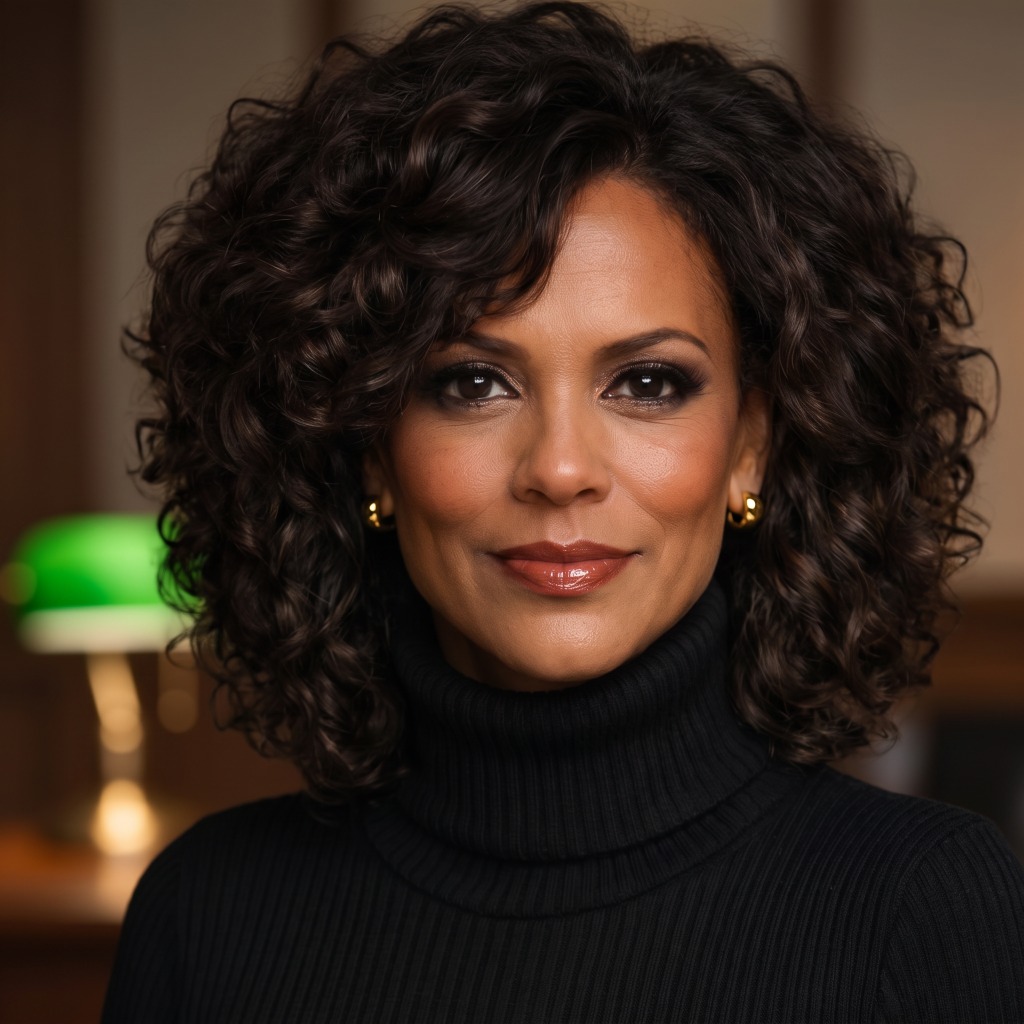
Kim Young is a London-born, Caribbean-raised international development consultant with over 25 years of experience across the Caribbean, the United Kingdom, and Europe. A former international journalist and writer, Kim brings both analytical rigour and narrative clarity to development practice — working at the intersection of social justice, Global South leadership, and the 17 Sustainable Development Goals.
Kim consults for the International School for Development Justice (ISDJ) among other EU and UN institutions and institutions across the Global South, bringing a justice-centred lens to advisory, research, and strategic communications work. Kim's career spans from the Millennium Development Goals through the Sustainable Development Goals and into the era of Agenda 2030 — always informed by a commitment to equality, rule of law, and Global South self-determination.
For decades, international development was shaped by external priorities, rigid funding structures, and assumptions that expertise flows from North to South. Kim Young's approach begins from a fundamentally different premise: that people closest to the realities of development should define priorities, shape solutions, and determine what meaningful change looks like.
Challenging the structural power imbalances embedded in international development systems, and supporting organisations to shift toward equitable, locally-led practice.
Amplifying the voices, knowledge, and institutional capacity of Global South actors — positioning them as the primary architects of their own development futures.
Integrating social justice and equality principles across all dimensions of development policy, programme design, and institutional strategy.
Aligning policy, programme, and institutional frameworks with all 17 SDGs — ensuring equity, sustainability, and justice are embedded from design through delivery.
Mapping how geopolitical shifts — from the BRICS realignment to post-COVID international law — reshape the development landscape for the Global South.
Strategic communications, thought leadership writing, and narrative framing that repositions Global South experiences at the centre of international discourse.
Kim Young's consulting practice is guided by the UN's 2030 Agenda for Sustainable Development. Every engagement considers the full spectrum of the SDGs — from poverty and health to climate action, peace, and global partnerships.
Reparative justice is not a footnote to development justice — it is its foundation. Until we acknowledge what was taken — land, labour, culture, sovereignty — and from whom, we cannot build development frameworks that are truly just, equitable or sustainable.— Kim Young, International Development Consultant
In a landmark vote on 25 March 2026, the United Nations General Assembly adopted a Ghana-led resolution — supported by 123 countries — recognising the transatlantic slave trade as the gravest crime against humanity. The resolution calls for an apology and contributions to a reparations fund. This historic decision reflects the kind of structural, truth-centred justice that Kim Young's approach to development justice has long advocated. Sources: UN News · UN Ghana · Al Jazeera
Kim Young has provided advisory, research, communications, and strategic consulting services to leading institutions across international development, humanitarian response, and regional policy. Additional institutional experience is available on request.
Further institutional experience across EU and UN institutions and Global South partners available on request.
History is written by the rich, and so the poor get blamed for everything.— Jeffrey D. Sachs, Economist & Special Adviser to the UN Secretary-General
Prayers and hopes are not strategies that can tackle the climate crisis.— Mia Amor Mottley, Prime Minister of Barbados & Co-Chair, UN SDG Advocates Group
The burden of a crisis falls heavily on developing countries and on their peoples. Everything that we have learnt tells us that the children will be feeling the harshest and most permanent effects.— Graça Machel, SDG Advocate & Founder, Graça Machel Trust